
Sports knee injuries
Dr Tsung assesses and treats knee injuries from sport and everyday activity, including ACL tears and meniscus tears. Not every knee injury needs surgery, and the right treatment depends on the injury, your knee, and what you want to get back to.
Written and reviewed by Dr Jason Tsung, FRACS (Orth) · Last reviewed July 2026
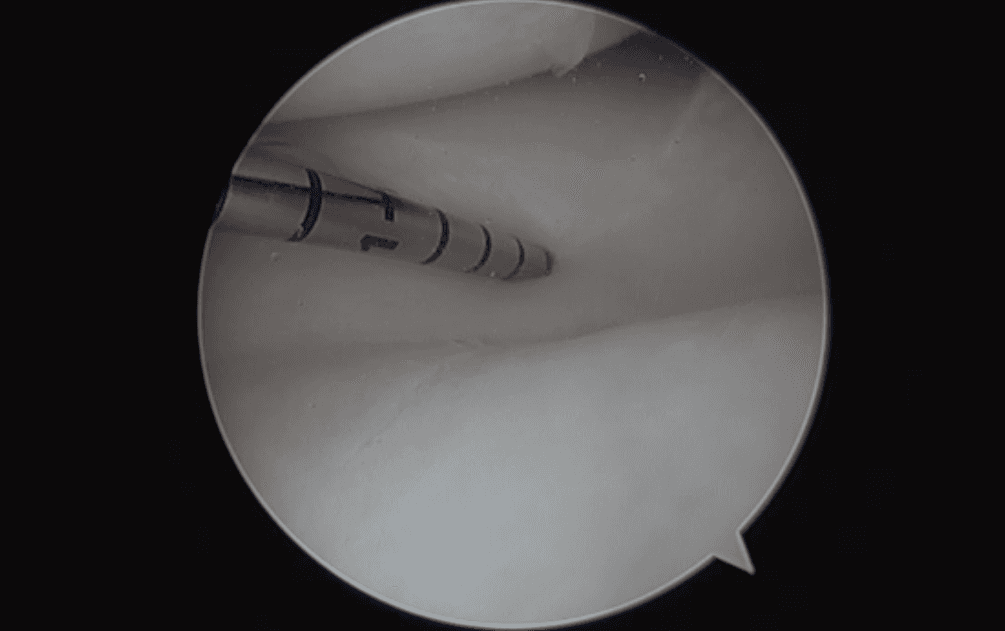
What are the common sports knee injuries?
The most common are ligament tears, especially the anterior cruciate ligament (ACL), and meniscus (cartilage) tears. They usually happen when the knee twists or changes direction quickly, or takes a knock from the side, in sports such as football, netball and basketball, though they can also happen in everyday activity. Typical symptoms are pain, swelling, a feeling that the knee gives way, and trouble fully straightening or bending it. After a significant knee injury it's worth being assessed, and a scan such as an MRI is sometimes needed to see what is torn.
What is an ACL injury?
The ACL is the ligament in the middle of the knee that keeps it stable when you turn or pivot. A torn ACL usually won't heal on its own, and the knee can stay unstable as a result, particularly when twisting or changing direction.
Do I need ACL reconstruction?
Not always. ACL reconstruction rebuilds the ligament so you can return to pivoting sport and activity, and it is usually recommended when the knee stays unstable or you want to get back to sports that involve cutting and changing direction. For some people, structured rehabilitation is a reasonable first step. In a randomised trial of young, active adults with an acute ACL tear, rehabilitation with the option of later reconstruction gave similar results at two and five years to early surgery, and avoided an operation in more than half.¹,² The evidence is debated, and the right choice depends on your knee, your symptoms and your goals. Dr Tsung will go through what fits your situation.
Reconstruction is keyhole (arthroscopic) surgery in which a graft replaces the torn ligament. Rehabilitation is the larger part of recovery, and returning to pivoting sport usually takes around nine to twelve months. Like any surgery it carries risks, including infection, blood clots, stiffness and re-tear of the graft, and individual results vary.
Meniscus tears
The meniscus is the cartilage that cushions the knee, and it is one of the most commonly injured parts. Tears range from sudden, sports-related ones to gradual, degenerative ones, and many are managed without surgery. Meniscus tears have their own detailed page: see meniscus tears.
Can a knee injury lead to arthritis later?
It can. ACL injuries, and especially loss of meniscus cartilage, raise the long-term risk of knee osteoarthritis.³ This is one reason the meniscus is preserved where possible, and why ongoing knee symptoms are worth reviewing. If you are managing knee arthritis, see hip and knee arthritis management; if it becomes advanced, knee replacement may be an option in time.
See Dr Tsung
To see Dr Tsung you'll need a referral from your GP or another specialist. Call reception on (07) 5676 9930 to book your first appointment, or email hello@sgco.au. New patients can pre-register online before the visit; the form prepares your records and does not book an appointment. For costs, see fees and health funds. For acute injuries and fractures, see bone and joint injuries.
References
- Frobell RB, Roos EM, Roos HP, Ranstam J, Lohmander LS. A randomized trial of treatment for acute anterior cruciate ligament tears. New England Journal of Medicine. 2010;363(4):331–342.
- Frobell RB, Roos HP, Roos EM, et al. Treatment for acute anterior cruciate ligament tear: five year outcome of a randomised trial. BMJ. 2013;346:f232.
- Ajuied A, Wong F, Smith C, et al. Anterior cruciate ligament injury and radiologic progression of knee osteoarthritis: a systematic review and meta-analysis. American Journal of Sports Medicine. 2014;42(9):2242–2252.